AMCS 2200-01 - Topics in AMCS - Introduction to Latinx Studies
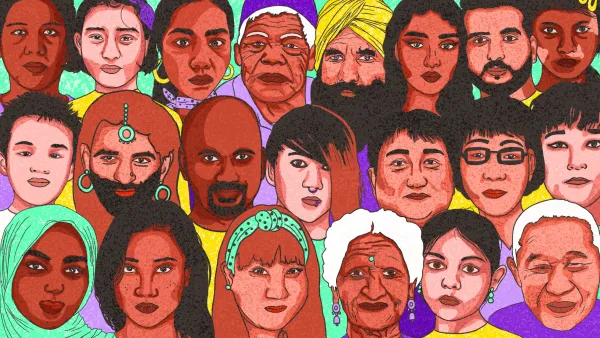
The U.S. Census Bureau projects that the Hispanic population will reach 111 million by 2060. But who are Hispanics?
What does that label mean and how does it relate to the terms Latino/a/e and Latinx?
Can those labels accurately reflect the various communities they seek to represent?
Returning to these questions through the semester, we will critically analyze the evolution of the term Hispanic and its impact on discussions of race, ethnicity, labor, and citizenship expectations in the United States. We will engage ethnographic and historical analyses, legal perspectives, geographic studies, and aesthetic practices to understand Hispanic, Latino/a, Latine, and Latinx identity formation in cross-cultural as well as hemispheric contexts.
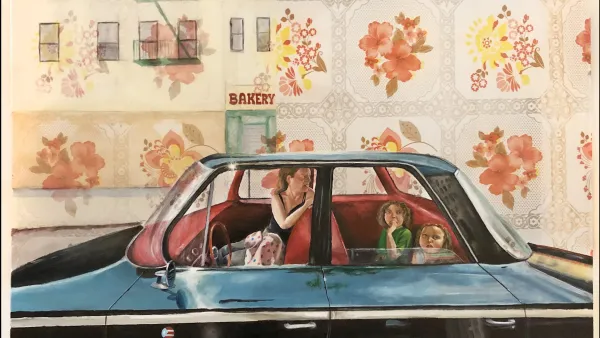
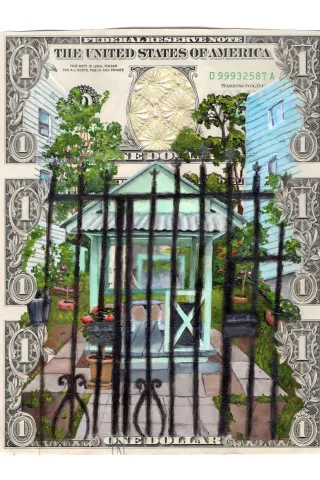
"I am especially excited to introduce students to contemporary Latinx cultural production through both visual art and literature. In the course, we will explore the work of Nuyorican painter and photographer Danielle De Jesus, whose paintings reflect on gentrification, displacement, and community life in New York City. We will also read poetry by Salvadoran author Javier Zamora, whose writing on migration and memory offers a powerful entry point into conversations about borders, family, and belonging. Together, these creative works invite students to examine the histories and everyday realities that shape Latinx life in the United States."
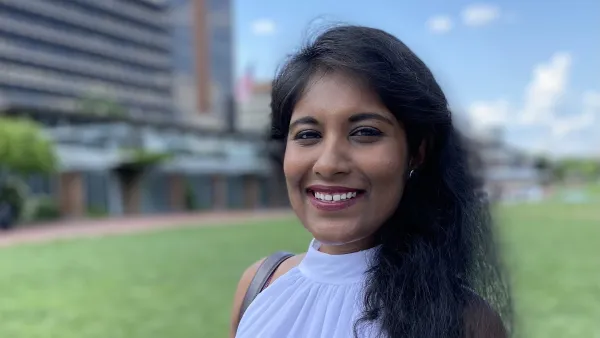
- Dr. Yafrainy Familia
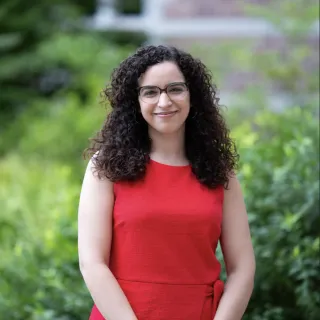
Dr. Yafrainy Familia's research and teaching interests include 20th and 21st century Caribbean and Latinx art and visual culture; literary studies; Black and Afro-diaspora studies, feminist geography; gender and sexuality studies; curatorial practices; and digital humanities. Professor Familia’s book in progress, “Unruly Terrains: Feminist Geographies in Caribbean Visual Worlds,” examines how contemporary Caribbean women artists mobilize visual culture to contest oppressive spatial orders and envision wayward practices of geographic freedom. Bringing together painting, photography, collage, oral history interviews, and archival materials, the book traces a group of twentieth- and twenty-first-century artists whose work illuminates Caribbean women’s geographic knowledge and experience, revealing spatial imaginaries that unsettle colonial and racialized formations of space.